
Discover the History of Lightmoor Village
Lightmoor Village is a modern community built on a landscape with centuries of history. Long before today’s homes, parks and green spaces existed, the area was shaped by woodland, industry and innovation. From its role in the Industrial Revolution to its transformation into a thriving community, Lightmoor’s story is one of continual change.
The name Lightmoor has been part of the local landscape for hundreds of years. Originally an area of woodland and open heathland overlooking the Ironbridge Gorge, it later became an important industrial site as Shropshire emerged at the heart of the Industrial Revolution.
During the 18th and 19th centuries, the area was transformed by coal mining, clay extraction, brick making and iron production. The Lightmoor Canal, constructed in the late 1700s, transported raw materials and finished goods between local mines, brickworks and ironworks, helping support the rapid industrial growth of the Ironbridge area.
As industry expanded, the landscape evolved. Tramways crossed the site, clay pits and collieries were established, and generations of people worked the land beneath what is now Lightmoor Village.
A changing landscape
By the 20th century, many of the area’s industries had declined. During the Second World War, parts of the site were used for open-cast coal mining before gradually returning to farmland.
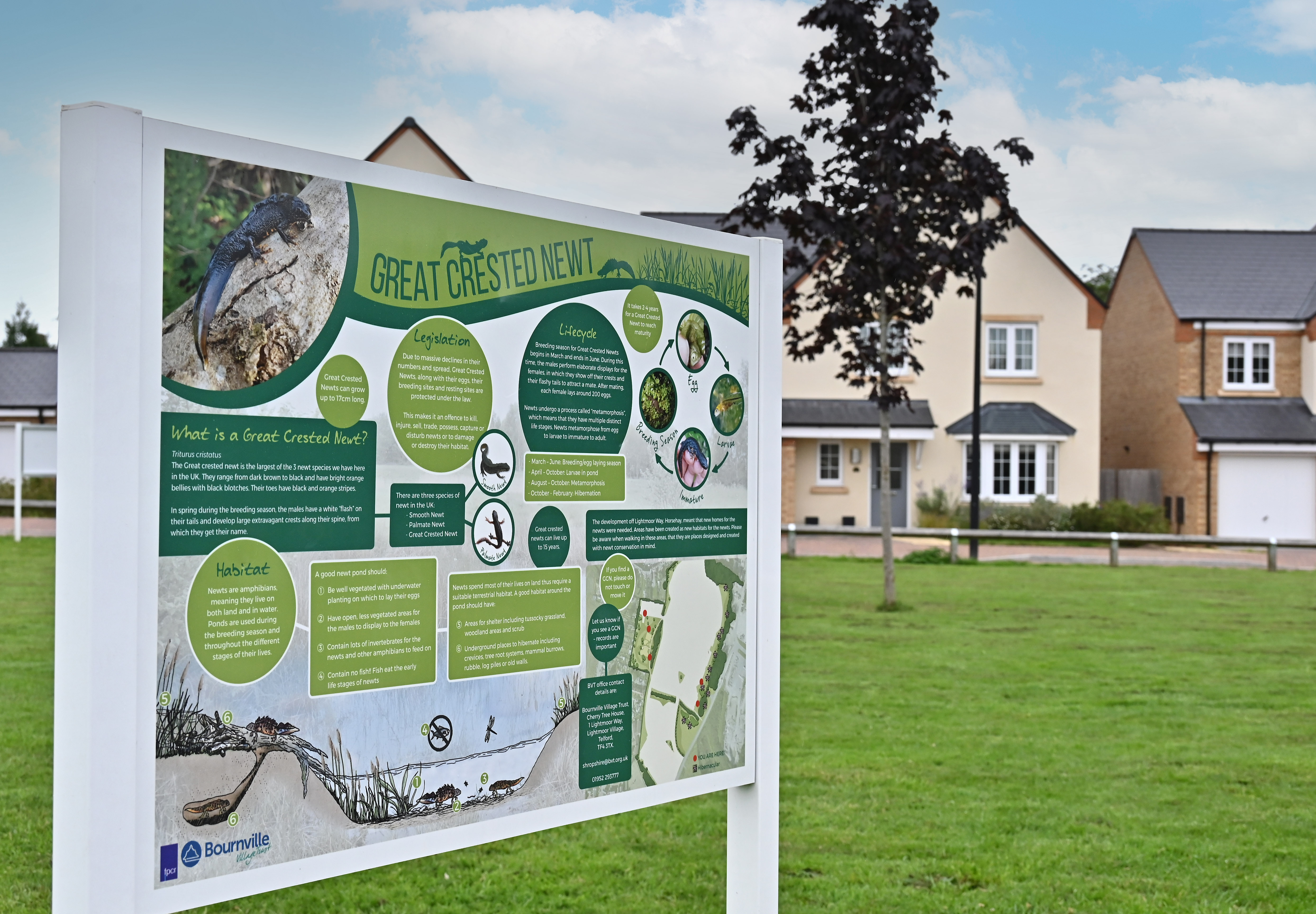
Although nature reclaimed much of the land, its industrial past remained just beneath the surface. The site contained former mine workings, archaeological remains and significant changes in ground levels. It was also home to valuable wildlife habitats, ancient woodland, mature hedgerows and protected species, including great, crested newts.
These features would later become an important part of the village’s design rather than obstacles to overcome.
In the mid-1990s, Bournville Village Trust (BVT) announced ambitious plans to create a new and modern village inspired by what it has learned in the past.
As BVT approached its centenary, it wanted to demonstrate how a modern community could be developed using the principles of beautiful surroundings, high-quality homes, green spaces and a strong sense of community.
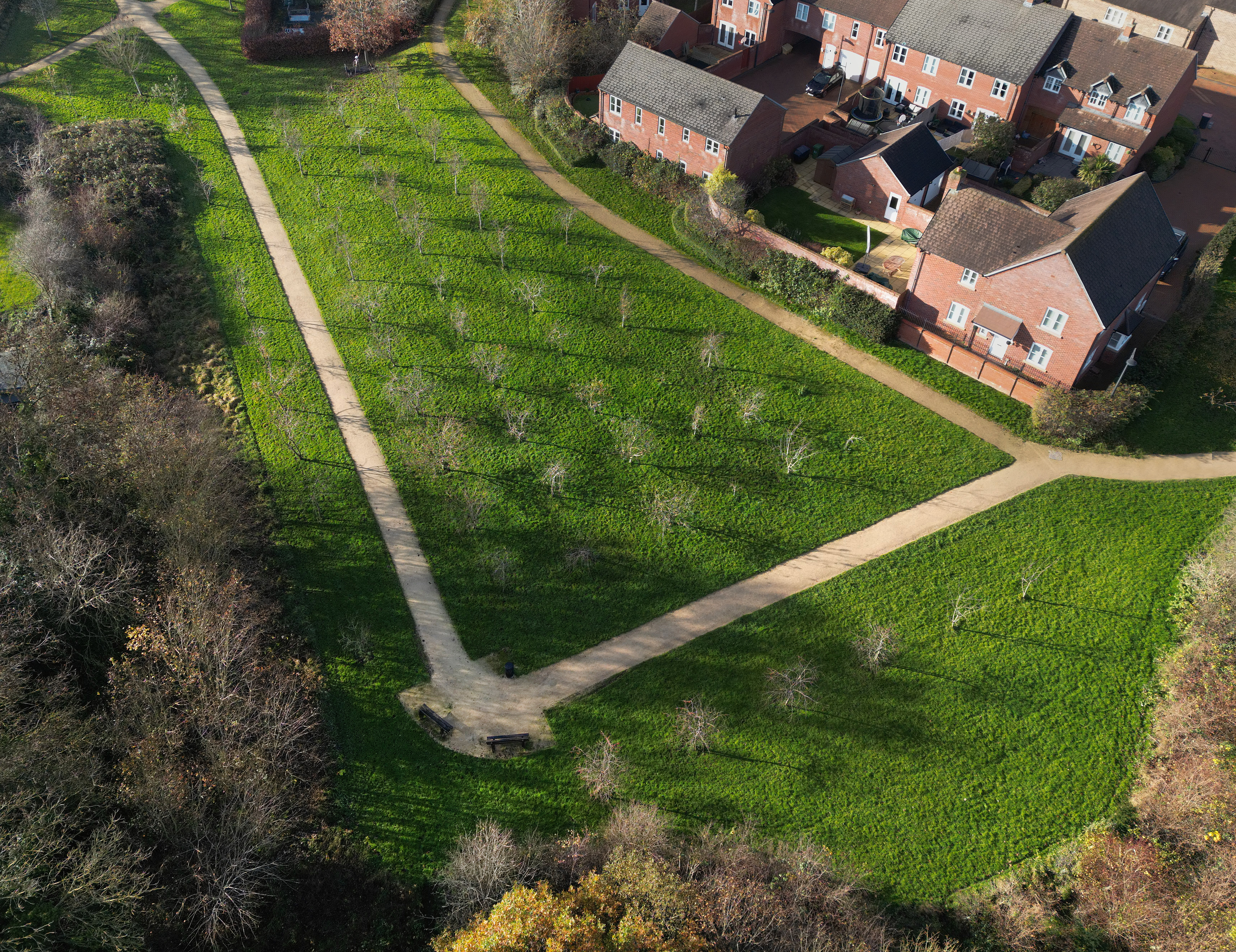
BVT explored several possible sites around Birmingham and the West Midlands before being introduced to Lightmoor by the Commission for New Towns.
BVT already had a presence in Telford, managing around 350 homes, making the area a natural choice. The Lightmoor site had outline planning permission, sufficient land to create an entirely new village and an opportunity to regenerate former industrial land while protecting its environmental and historic importance.
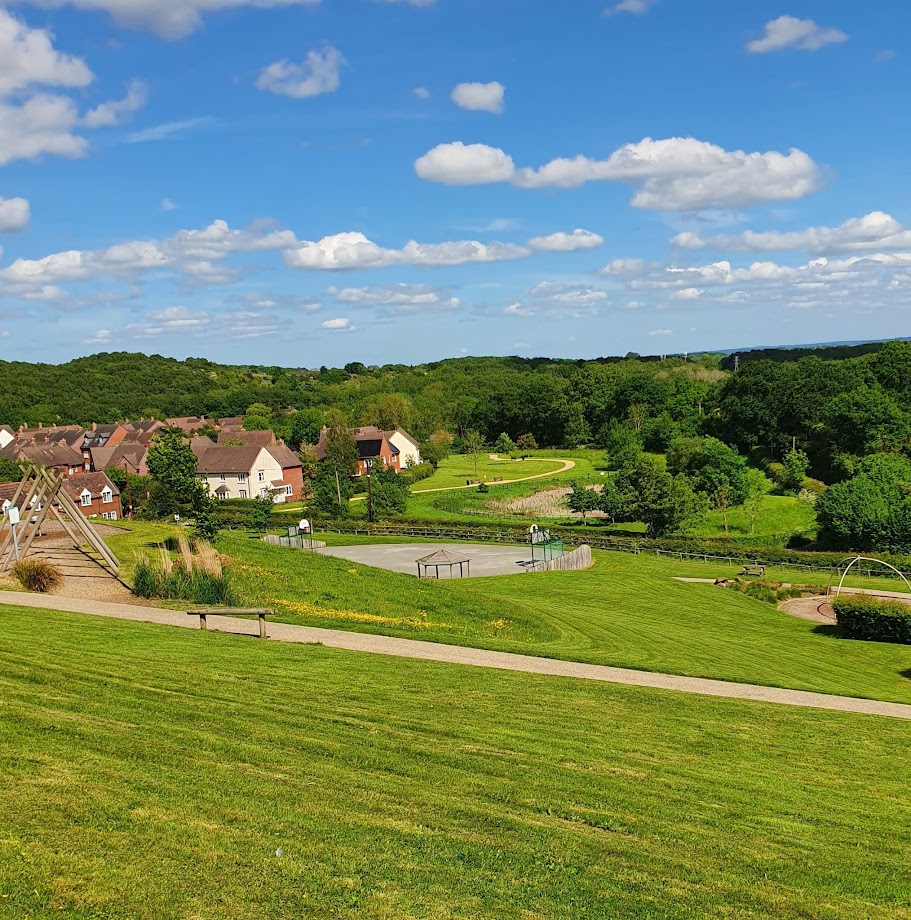
Creating Lightmoor Village was a true partnership. Bournville Village Trust worked alongside the Commission for New Towns (now Homes England), Telford & Wrekin Council, planners, architects, engineers, environmental specialists and housebuilders to turn the vision into reality.
Together they carefully restored the former industrial landscape, protected important wildlife habitats and historic features, and created a village inspired by traditional Shropshire communities.
Construction began in 2005, transforming over 200 acres of former industrial land into a vibrant new neighbourhood.
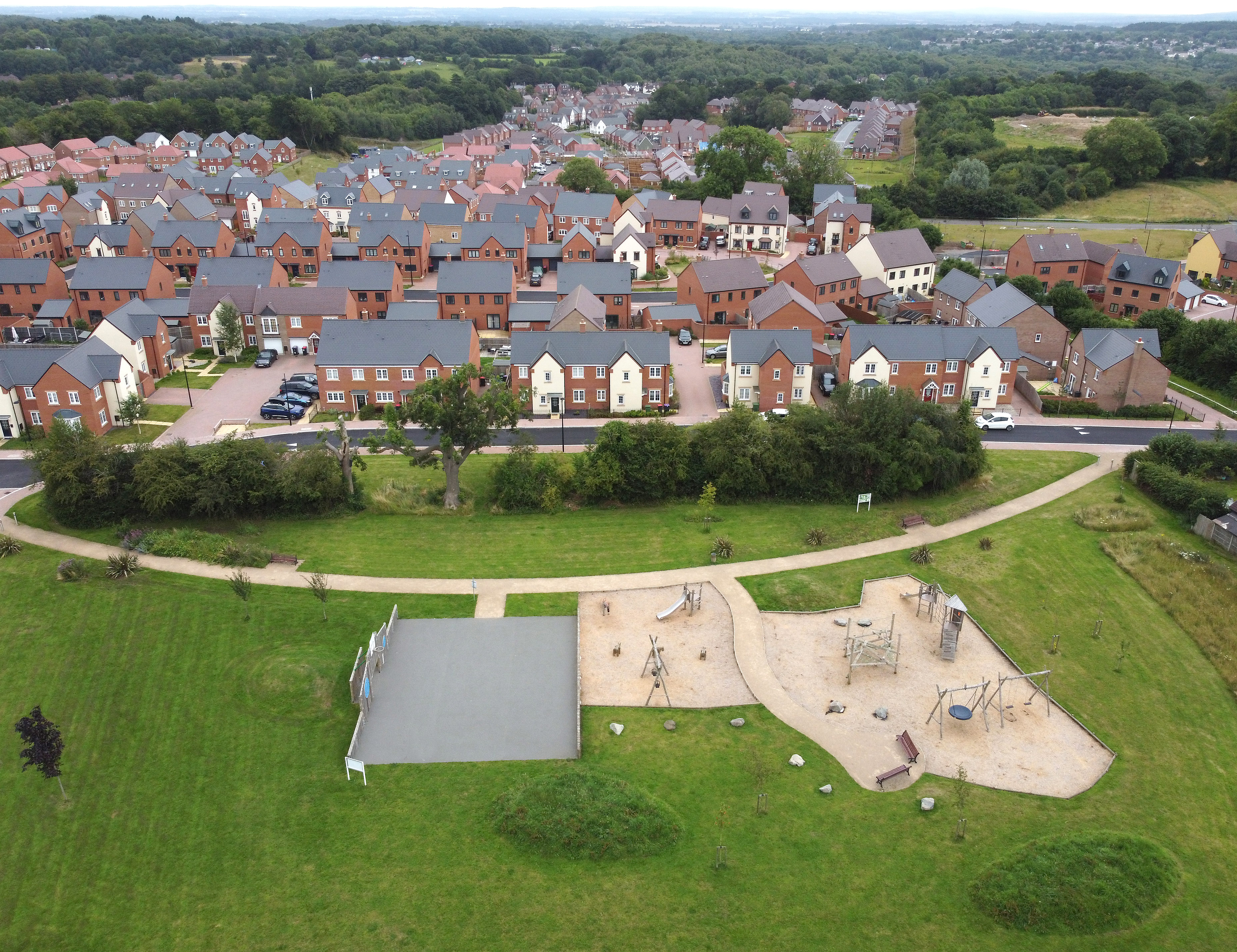
Lightmoor Village was designed to be much more than a housing development. Tree-lined streets, parks, village greens, play areas, walking routes and community facilities were all planned to encourage people to spend time outdoors, meet their neighbours and enjoy a high quality of life.
Today, thousands of people call Lightmoor Village home, and the community continues to grow while retaining the vision that inspired its creation.
Stewardship for future generations
BVT creates and maintains distinctive environmentally sustainable places and this is achieved by working in partnership with residents, local partners and the resident-led Lightmoor Village Estate Management Committee.
Through stewardship, community events, environmental management and investment in shared spaces, the Trust continues the principles established over a century ago in Bournville—creating and sustaining communities where people can thrive.
Information was gathered through the following sources:
Shropshire Archives
National Archives
Bournville Village Trust