
Squatters Cottage - a rare glimpse into Lightmoor's past
Squatter’s Cottage is one of the oldest surviving buildings in the Lightmoor area and offers a fascinating insight into the lives of working families during the Industrial Revolution.
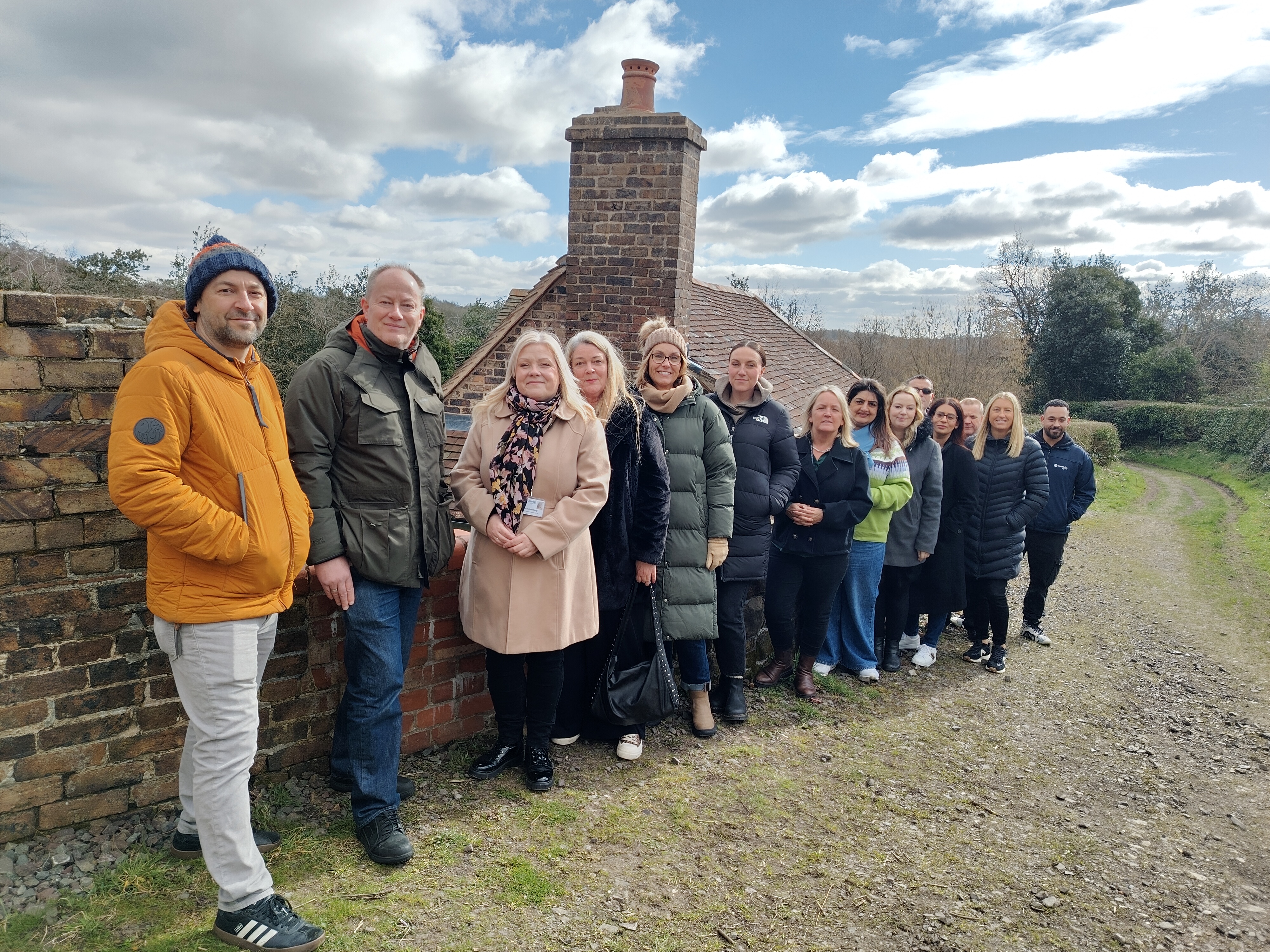
In the late 18th and early 19th centuries, some workers built small homes on areas of common or wasteland without owning the land. Instead, they paid a small annual fine to the local Manor Court for permission to remain there. These homes became known as squatters’ cottages and provided affordable housing for many of the people who worked in the Coalbrookdale Coalfield.
Squatter’s Cottage was built in 1794–95, at the same time as the nearby branch of the Shropshire Canal. Originally, it consisted of just one room, which served as both a living space and bedroom. Over time, a kitchen and washroom were added.
In April 1797, Robert Bayley paid a fine of sixpence to the Earl of Craven for a cottage built on a small triangle of wasteland between the canal and Woodlands Lane, just above Stocking Bridge. The area was known as Beggarly Bank.
Many of the people who lived in the cottage worked as colliers, miners or labourers, reflecting the area’s industrial heritage. During the 1850s, the cottage was owned by tile maker William Taylor, who is thought to have added some of the decorative tiled features that remain today.
By the 1920s, the property was known as 8 The Stocking. After becoming vacant in 1963, it was acquired by the former Dawley Development Corporation in 1965 as part of Stocking Farm.
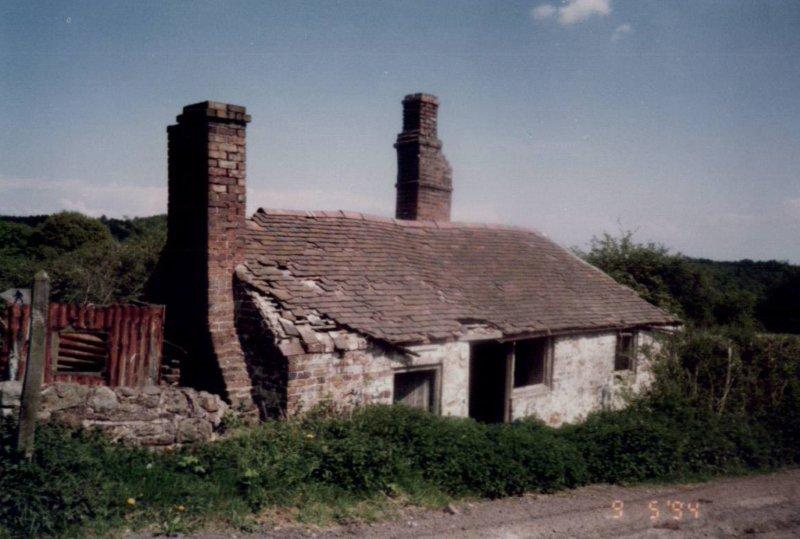
Up until the early 1970s, a number of squatter cottages still stood along nearby Holywell Lane. Most have since been demolished or modernised. Another example from Burroughs Bank was carefully dismantled and rebuilt at Blists Hill Victorian Town.
What makes Squatter’s Cottage so special is that it has remained largely unchanged since the mid-1800s. Unlike many similar buildings, it was never modernised, making it a rare and valuable example of an original workers’ home.
The cottage was surveyed by the Ironbridge Gorge Museum in 1985 and was awarded Grade II listed status in 1992. At the time, its condition was described as “very bad” and the risk of it being lost was considered “extreme”.
Squatter’s Cottage was transferred to Bournville Village Trust (BVT) by Homes England as part of the land surrounding Lightmoor Village.
In 2019, BVT successfully restored the building through funding secured in partnership with Shropshire Wildlife Trust and support from Veolia.
The careful restoration preserved many original features, including:
• The beautiful quarry tiled floor
• Original decorative wall finishes
• Refurbished timber doors
• Traditional local sandstone, Broseley brick and clay tile construction
Today, the cottage stands as a rare surviving example of a late 18th-century workers’ squat and an important part of Lightmoor’s heritage.
Rather than remaining an empty historic building, Squatter’s Cottage has been given a new purpose as a welcoming community venue.
It provides a unique space for many different groups including art therapy sessions, volunteer groups and nature and environmental activities, helping people connect with both the area’s history and its natural surroundings.
Today the building is used by Small Woods Association, a charity specialising in sustainable woodland management and social forestry. They run a range of activities from the cottage, including volunteer groups, community projects and children’s holiday clubs, helping ensure this historic building continues to be enjoyed by people of all ages.
For more information on Squatters Cottage please contact the Lightmoor Village Estates & Management team by emailing [email protected] or pop into the BVT office in the Oak Tree Community Centre.